How to Divide Sentimental Items in an Estate Plan (Without the Drama)
We all know the stories. Maybe the stories are ours. A family member dies, and when the estate is settled, it doesn’t matter how well-written the estate plans were. Family members feud. Siblings squabble. Relatives rumble. All because of items with little-to-no monetary value.
In my experience as an estate planning attorney, I often find that sentimental objects can cause some of the biggest disruptions when settling an estate.
Whether it’s long-forgotten kitchenware or Grandma’s favorite figurines, the items that hold emotional memories can elicit arguments with long-lasting effects. Grudges last, and hurt feelings lead to resentment that doesn’t fade.
So, what can you do to prevent these rifts? Here is how to handle estate planning for sentimental items to protect your family's relationships.
Talk about it.
As you create a tangible personal property memorandum (the addendum that goes along with your will or trust), you might have no idea which items of yours mean the most to your loved ones. Perhaps a great-niece has always eyed a certain tea set or a favorite cousin has great memories of your bobblehead collection.
These conversations aren’t easy, but they can start with a simple question: “Is there anything of mine you would like after I’m gone?” Start adding those items — clearly described — to the list with the specific names of the recipients. While this system doesn’t mean someone won’t be upset that they didn’t get that tea set, at least everyone involved will know your wishes are being followed.
Bonus: A tangible personal property memorandum is a legally binding document in Minnesota, provided it is properly referenced in your will and executed. The beauty of this document is flexibility: you can update the list as you buy or give away items without having to formally rewrite your entire will.
Give now.
If there are sentimental items you’re willing to part with now, do it! Experience the joy that spreads on your loved ones’ faces when they receive the treasured object. You’ll be downsizing now, and saving your family unnecessary grief after you’re gone. It’s a win-win situation!
Make a fair plan for the rest.
If you’re the family left behind ready to divide the rest of the items not explicitly listed in the estate plan, you may need to hire a professional or use a structured system. Whether you’re choosing names out of a hat, proceding by birth order, or something else, if everyone buys into a process deemed as fair, then there’s less possibility for dispute. A third party, such as a mediator, can also provide the objective voice your family needs to help you through this emotional time.
Get creative.
If multiple family members want the same object, try to come up with a creative solution that keeps relationships intact. Rotate the favorite painting between houses, trading it when you visit during holidays. Take some of those favorite aprons and sew the fabric into Christmas ornaments that everyone can use.
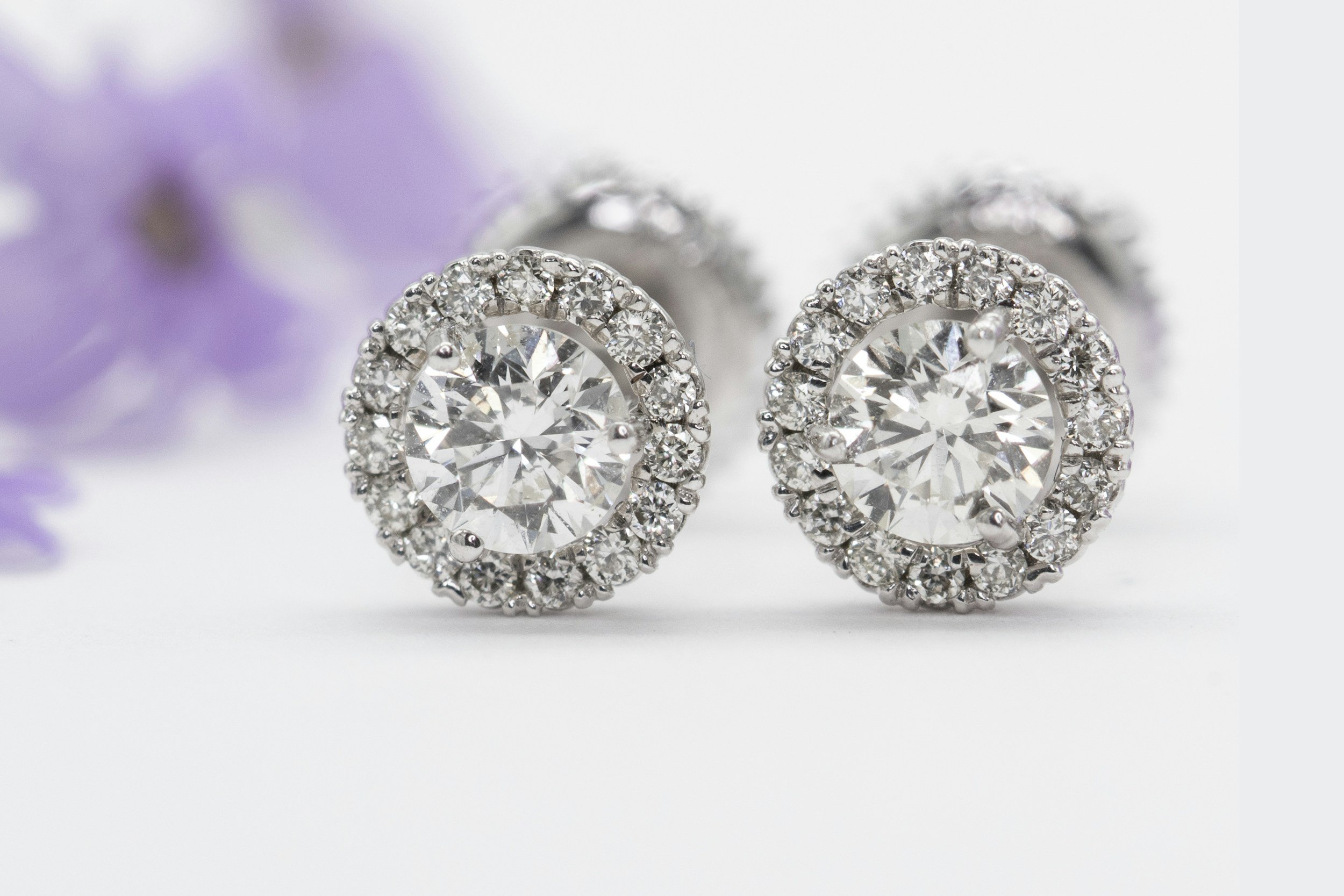
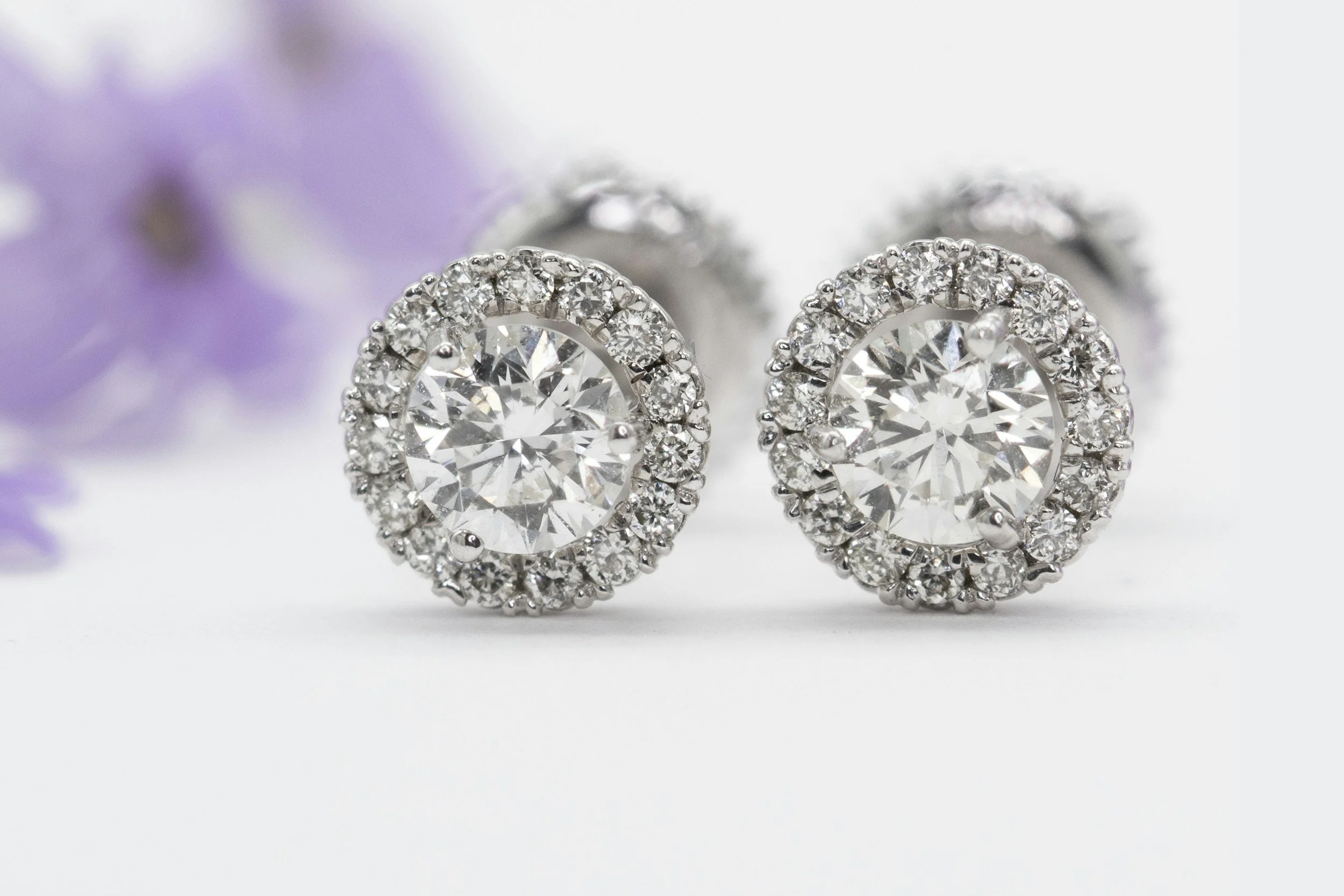
We see creative solutions like this in the estate planning world. For instance, two sisters wanted the same family diamond earrings. With the help of an estate planning professional and jeweler, they decided to split the set, created two diamond necklaces, and gave one to each sister. They both had a beautiful, wearable piece of the original pair of diamonds. Another win-win situation!
Use a digital tool.
There are even AI-powered tools like FairSplit. According to the website, this tool provides a "transparent, structured system” for dealing with these sentimental items. Nemu is another platform with a similar mission: “help families save time, money, and emotional stress.” Like bringing in a third party, using an app to help with this work makes the process more objective, preserving sanity and saving relationships.
(Keep in mind that while digital tools can be helpful for the emotional task of sorting items, they are not legal documents. For those tasks, it’s always best to use the help of a professional, licensed estate planning attorney.)
Plan with Peace of Mind
Don't leave your family guessing — or arguing — about who gets Grandma’s favorite items. A comprehensive estate plan protects your assets and your relationships. Have questions about how to properly structure your will or trust addendums? Contact Miroslavich Law today to speak with an experienced estate planning attorney.